
Glenwood, Council Bluffs
Off-Track Garage Door Repair for Glenwood's 1970s Housing Stock
Glenwood's garage doors date mostly to the early 1970s build-out. See why that hardware comes off track more easily and what the fix actually involves.
How It Shows Up
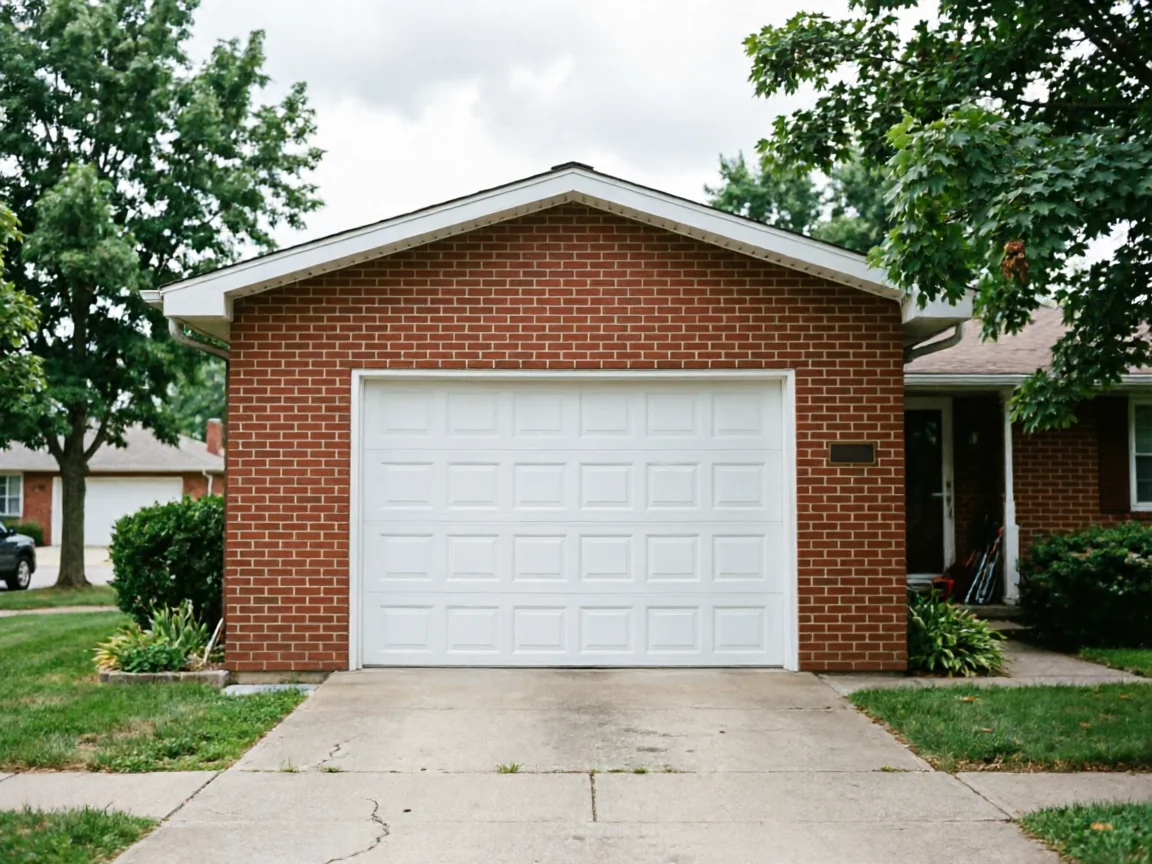
Glenwood's houses cluster around a median build year of 1972, which means most garage doors here are either original steel sectional units or a first replacement hung on the same track brackets from that era.
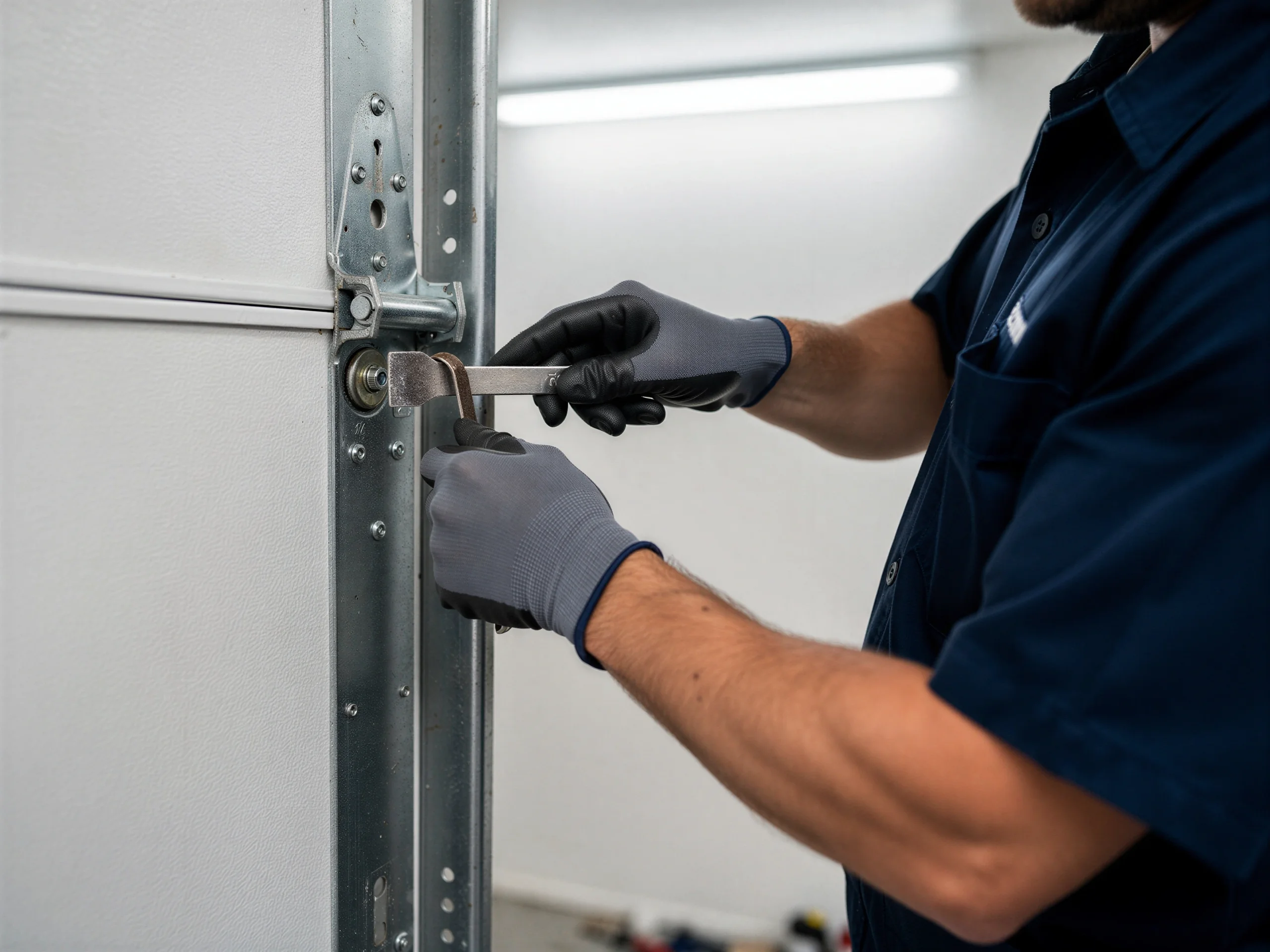
Loosened lagged brackets
Those brackets were lagged into framing that's now had five decades to shrink and shift. When a door comes off track in a house like this, it's rarely a dramatic single event - it's usually a bracket that's worked loose a little more each winter, letting the track rail lean out of plumb until a roller finally jumps the rail on a cold morning.
One-sided track fault
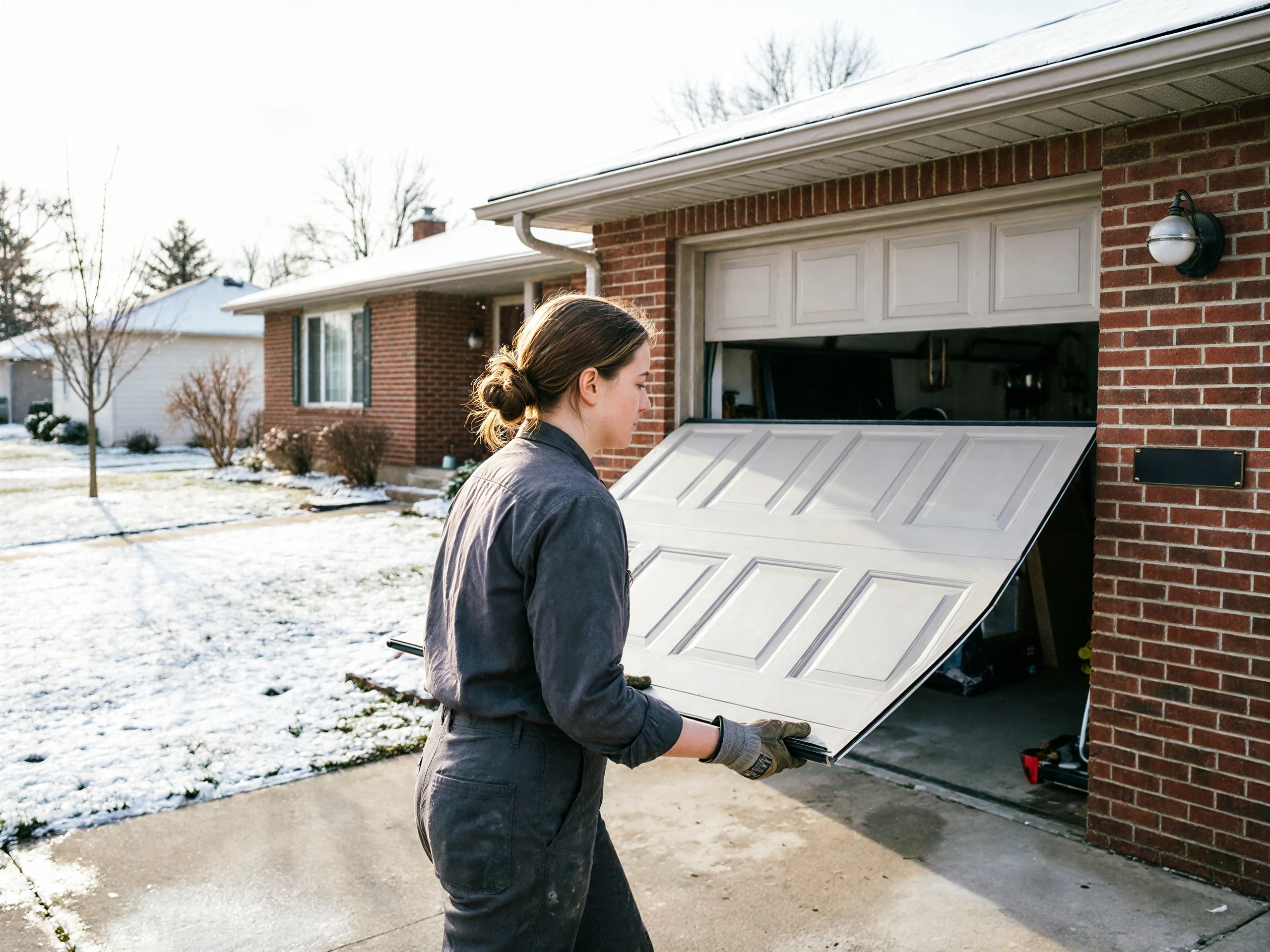
You'll notice it as a door that stops partway, one that travels crooked in its opening, or a loud bang followed by the door refusing to move at all. Sometimes only one side is affected, which tells us the track on that side has pulled away from the jamb rather than the whole assembly failing at once.
Panel skin tearing
On the older single-layer steel panels common in this housing stock, a stuck roller can also tear the thin panel skin if the opener keeps pulling against it, so don't keep hitting the button once you notice resistance.
What the Repair Takes
Fixing an off-track door starts with figuring out whether the track itself is bent or just the brackets anchoring it have pulled loose - on 1960s-70s construction like most of Glenwood's seven named neighborhood areas, it's very often the bracket and the aging jamb material behind it, not the rail.
Re-anchoring into framing
That changes the job. A bent track section gets replaced; a loose bracket gets re-anchored into solid framing, which on a house this age sometimes means finding wood that hasn't already been chewed up by the original screws. We also check the rollers while we're in there.
Plain steel roller binding
Original steel doors from this build period often still run on plain steel rollers rather than nylon, and those bind up hard in cold weather, which is part of what pulls a track out of alignment in the first place.
Hardware section replacement
If the door and track geometry both held up fine and it's just one bracket, that's a contained repair. If the track's been bent more than once or the panel's torn from running crooked, replacing the hardware section is usually the straighter path than patching it again.
What You Pay
We can't quote a number here without seeing the door, since the cost swings a lot depending on whether it's a bracket re-anchor or a bent track section plus rollers.
Income-sensitive repair choices
With Glenwood's median household income at $69,320, a lot of homeowners are weighing a full repair against replacing an aging single-layer steel door outright - especially once a 1972-era door is starting to need a second or third fix.
On-site judgment call
That's a judgment call we'll walk through with you on site, not over the phone. A straightforward bracket repair on a door that otherwise runs true is usually the cheaper path.
Repeated knock-off threshold
A door that's been knocked off track more than once, with a bent rail and a cracked panel to show for it, starts pushing toward numbers where replacement makes more sense long-term.
How Long You Are Without the Door
Glenwood sits about 14 miles from our Council Bluffs base, so factor that drive time into when we can get there - we don't keep a truck stationed in town. Once we're on site, a single bracket repair on an otherwise sound door is usually a same-visit fix. A bent track or torn panel adds time, since we're sourcing hardware sized to an older door rather than pulling a stock part off the shelf.
Until we arrive, leave the door where it stopped. Don't force it with the opener and don't try to walk it back onto the rail by hand - on a door this old, the track metal can be more brittle than it looks, and forcing it usually turns a bracket job into a track replacement. If the door is stuck open, that's a security gap worth bracing manually rather than leaving it be overnight.
Questions
Common questions
Why does my garage door keep coming off track in cold weather?
Steel contracts and stiffens in cold, and on older plain-steel rollers common in houses built around 1972, that stiffness makes the roller bind in the track instead of rolling smoothly. The bind puts sideways pressure on the bracket, and if that bracket's already loosened over the decades, the track eventually pulls away.
Is it worth repairing an off-track door on an original 1970s garage door?
Often yes, if it's a single bracket or roller issue and the panel and track are otherwise straight. If the track's bent or the panel's torn from running crooked, you're close to the cost of a new door section anyway, and a new door won't keep failing in the same spot.
Do you have a crew based in Glenwood?
No. We work out of Council Bluffs, about 14 miles away, and travel out for Glenwood jobs. There's no local branch here, so build the drive into your expectations when you call.
Explore more
More Services in Glenwood
Garage Door Repair
Glenwood homes cluster around 1972 construction, newer than much of Council Bluffs's stock. Learn more →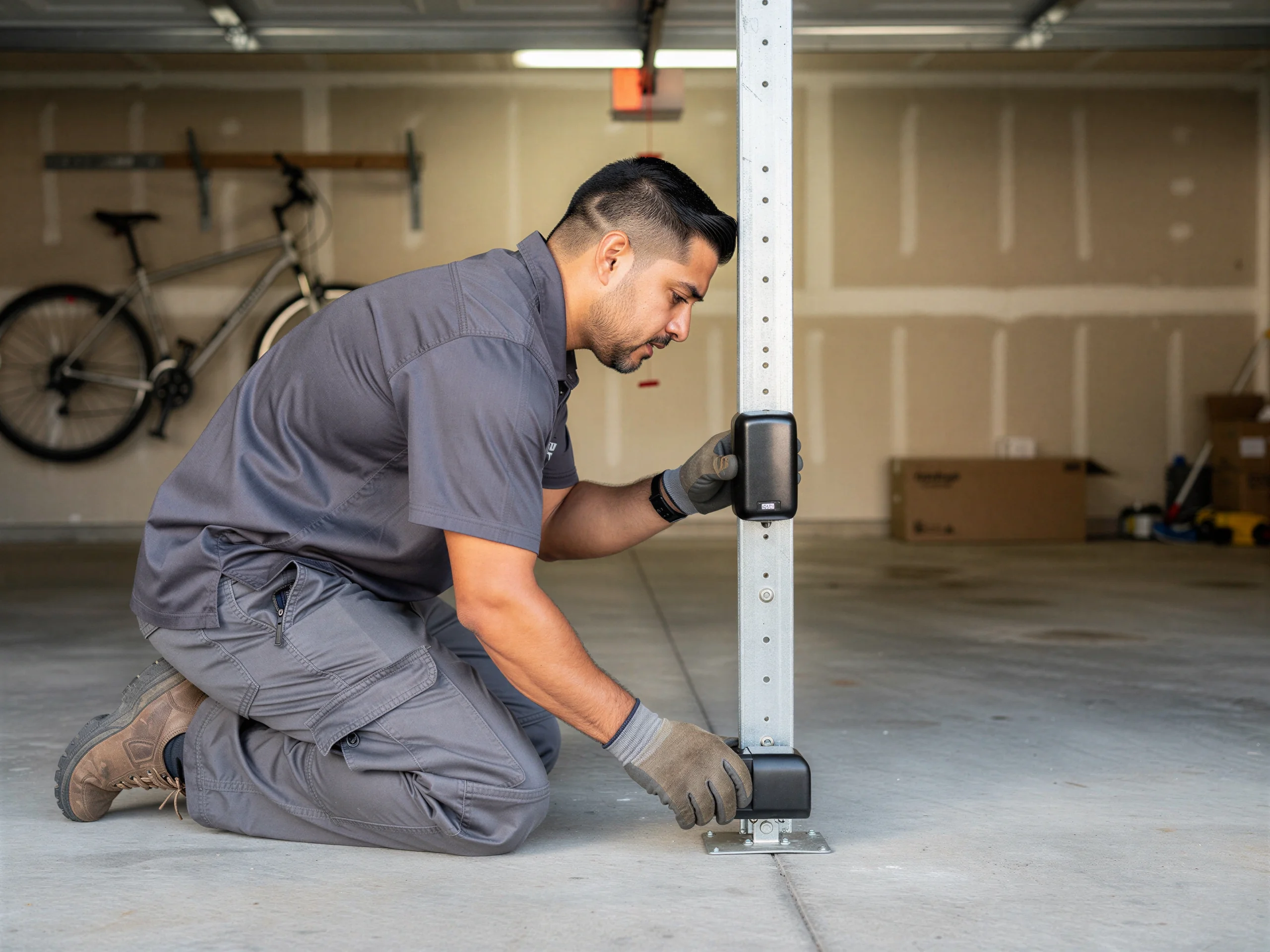
Garage Door Service
Glenwood homes mostly date to 1972, which means original torsion hardware and single-layer steel doors. Learn more →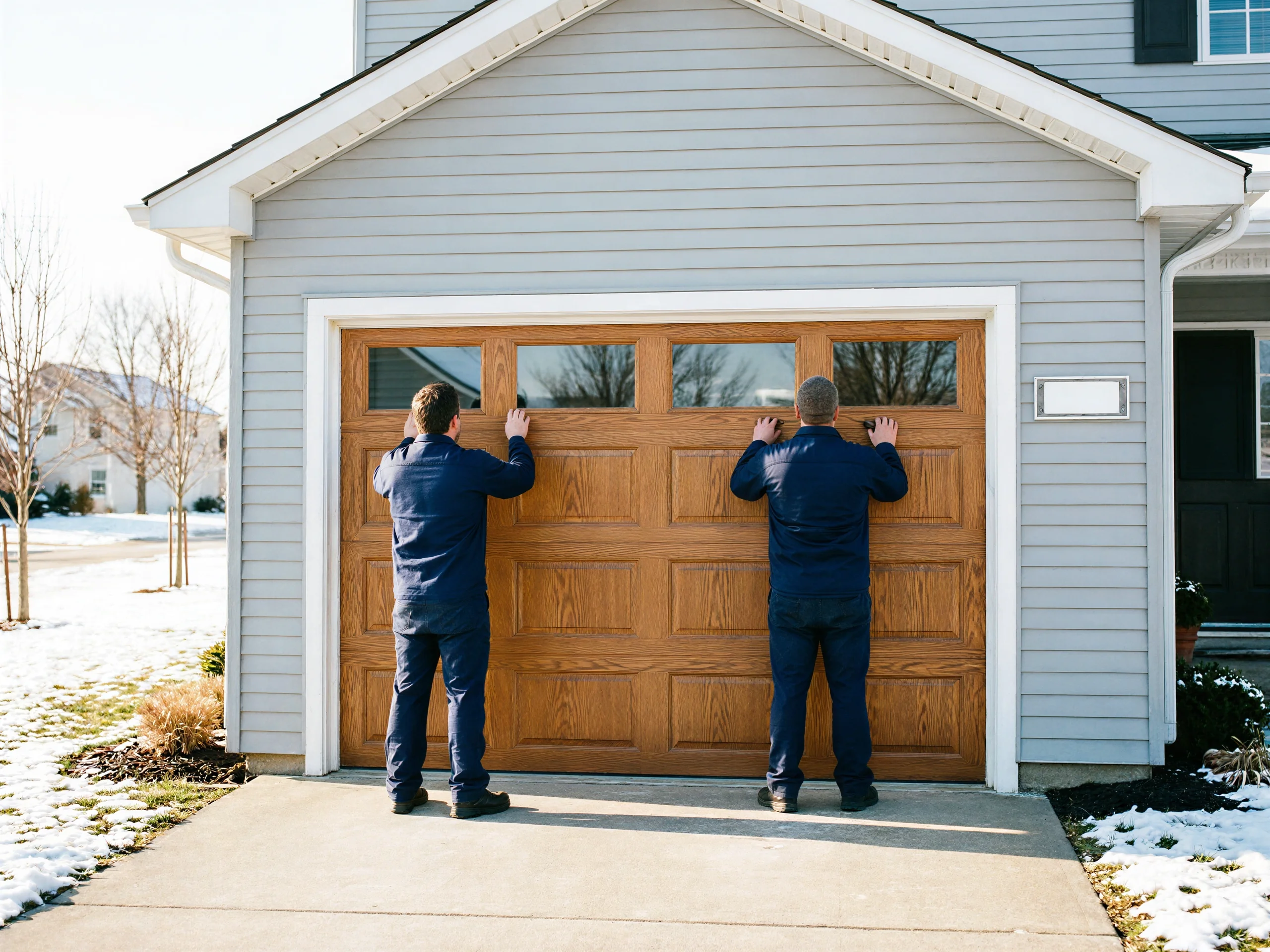
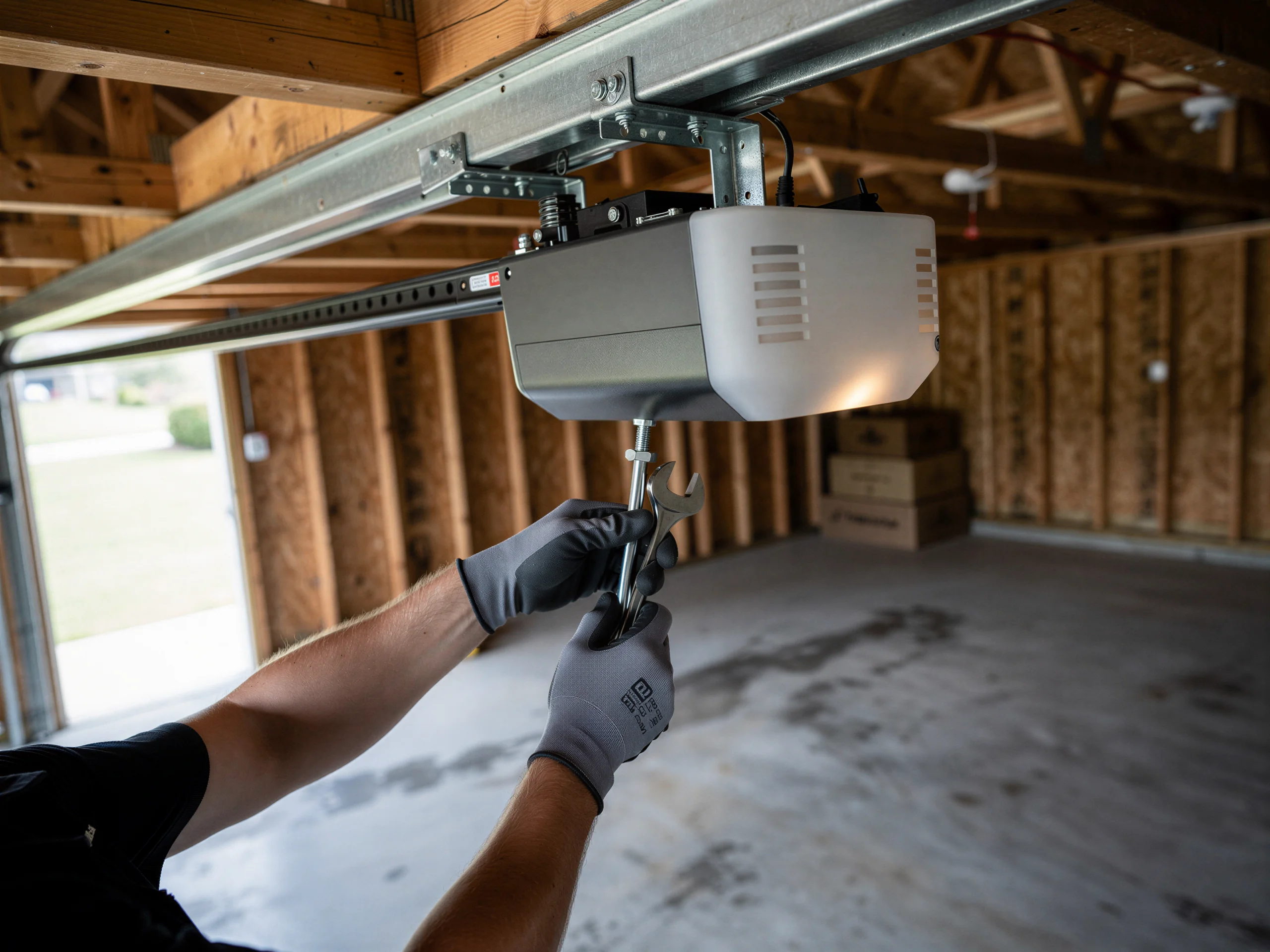
Opener Installation
Opener installs for Glenwood's 1960s-70s houses, 14 miles out from Council Bluffs. Learn more →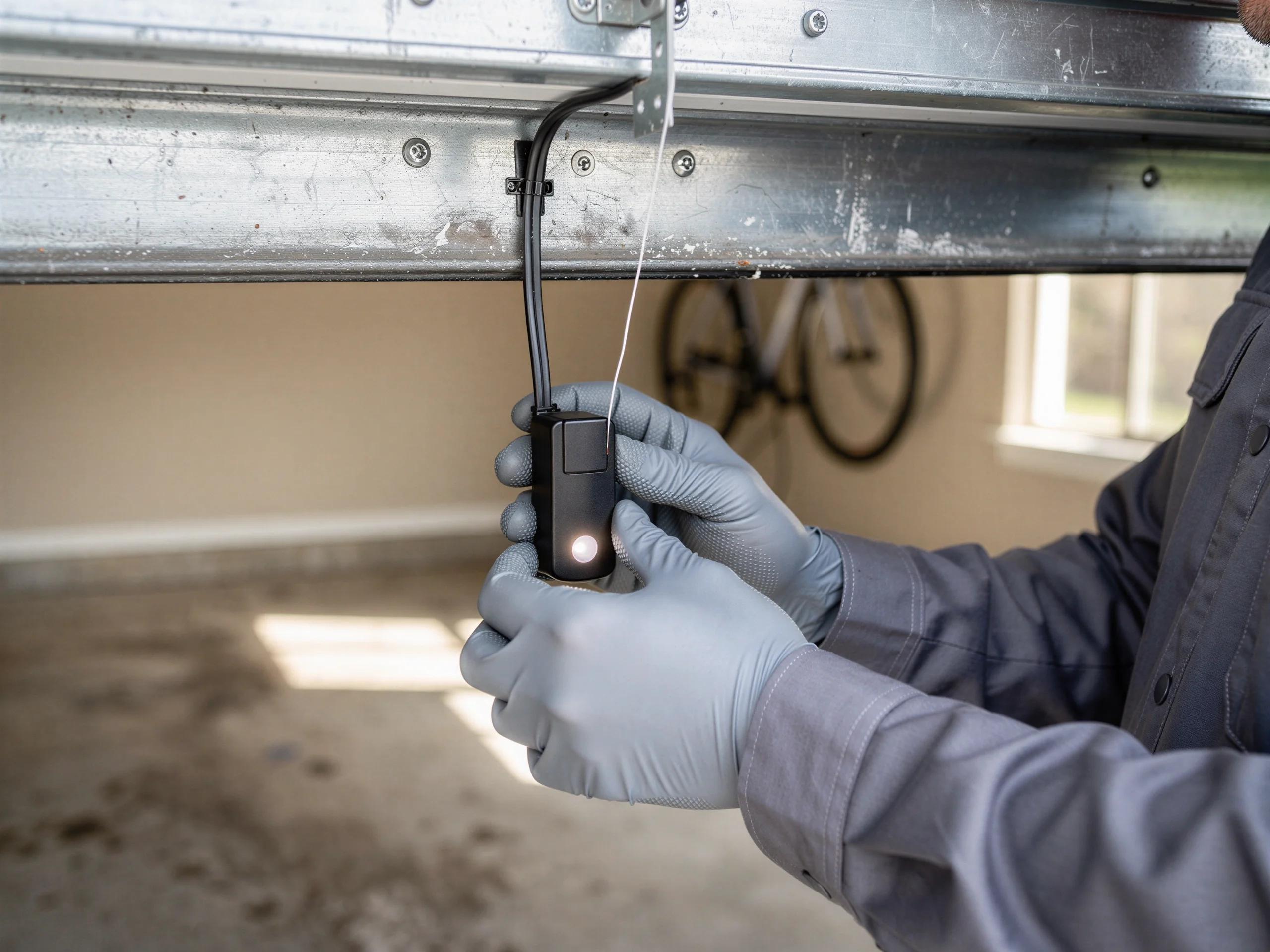
Panel Replacement
Panel replacement for Glenwood's 1970s-era doors, priced against a $69,320 median income. Learn more →Ready when you are
Garage door off its track in Glenwood?
Council Bluffs Garage Door Pros repairs and installs garage doors, springs and openers in Council Bluffs, IA and the surrounding area.